Online Crystal Shop

For people who loverocks and minerals
Since 2002


icons for worldwide shipping, free U.K delivery over £80, fast dispatch, excellent customer service


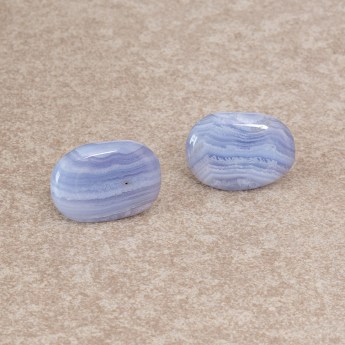
Polished Stones

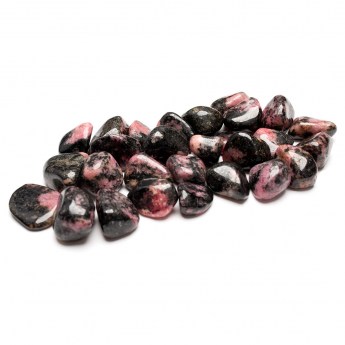
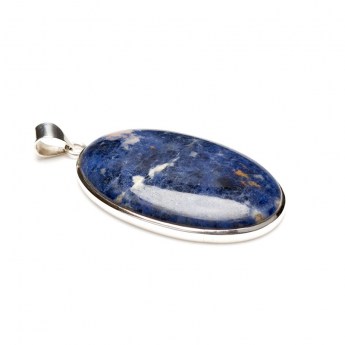
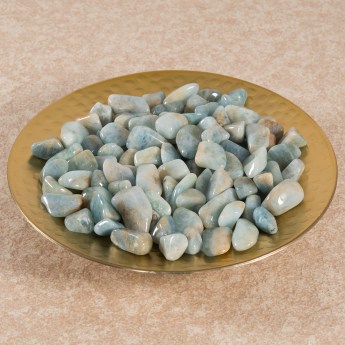
polished chrysocolla, labradorite, and agate.

Explore the colourful world of rocks and minerals through beautifully polished stones, carefully chosen for our collection.

Shop favourites include malachite, amethyst, lapis lazuli, and rose quartz.

Popular Crystals

An amethyst geode.

Amethyst

Amethyst forms in volcanic rock cavities, where mineral-rich fluids cool and crystallise over time.

Its distinctive purple colour, which fades with exposure to UV light, comes from trace amounts of iron and exposure to radiation during its formation.

Read more


Lemurian quartz crystal.

Lemurian Quartz

Lemurian Quartz crystals, which come primarily from Brazil, are highly sought after for their healing properties.

Striations are often considered a key identifying feature, but these horizontal grooves or ridges are not always present.

Read more

The Rough Stuff

Various rough rocks and minerals.

An authentic collection of raw rocks and minerals, crafted by nature over millions of years.

For those curious about Earth's past, there's a world of rocks and minerals waiting to be discovered.


Tumbled Stones

orange aventurine tumbled stones.

Raw crystals, rocks, and minerals, smoothed, rounded and polished.

Tumbled stones are usually produced in a rock tumbler, but in some countries the process is done by hand.

Read more

Articles & Photos

Six colourful, natural crystals


More than 100 articles exploring the history, geology, and myths behind Earth's finest treasures.

Easy-to-read articles, each focusing on an individual rock or mineral variety.

Whether you're new to rocks and minerals, browsing out of curiosity, or looking for great photos, this section has something for everyone.


We're passionate about the environment. Recyclable packaging, minimal waste, no plastic

What are Sedimentary Rocks?

sedimentary rocks in Death Valley with a clear blue sky as the backdrop

Sedimentary Rocks Form in Layers

Although sedimentary rocks can form on dry land most form beneath water.  They form from larger rocks which over time have broken down into very small pieces.  The resulting sediment which is a mixture of sand, mud, gravel and clay is then carried away by the elements. 

Where the sediment settles on water it sinks to the bottom.  As the pile increases in size it gradually becomes heavier which squeezes out the water.  This stage of the process is known as compaction.

In the final stage of the process minerals in the water surrounding the mass precipitate and begin cementing the layers into rock.  Precipitation is a process whereby dissolved minerals crystallise as they come out of water.  An example could be a salt water solution.  Once the water evaporates just the crystallised salt is left.

The breaking down of rocks and minerals on Earth's surface is known as weathering.  Over thousands to millions of years huge mountains can be reduced to sediment.

Erosion is the process of carrying the sediment away.  Wind, rain, ice, acidity, salts and changes in temperature all contribute to weathering and erosion.

The sediment often includes living organisms which become trapped in the layers.  For this reason sedimentary rocks often contain fossils.  The layers which are correctly known as beds or strata tend to be very distinctive.  The layers at the bottom will always be the oldest.

Some of the most common types of sedimentary rock include sandstone which is made up of minute grains of sand, mudstone which is made up of muds and clays and limestone which consists mainly of fragments of shell and skeleton from dead marine organisms.  Chalk is a white type of limestone.

The oldest sedimentary rocks in Greenland which are 3.8 billion years old are known to have formed from sediment which precipitated from sea water.

Article Photo

Photo is the Last Chance Range in Death Valley. The image is clickable and redirects to the original photo. The page includes information about these sedimentary rocks. Courtesy of Ron wolf.

Stone Mania Live Chat
How can we help?

Please write your message, we’ll respond momentarily.

Tap the green button